
Agritecture is a CEA consulting firm partnering with investors, developers, growers, enterprises and governments to plan, evaluate and optimize greenhouse, vertical farming, indoor farming and sustainable agriculture projects.
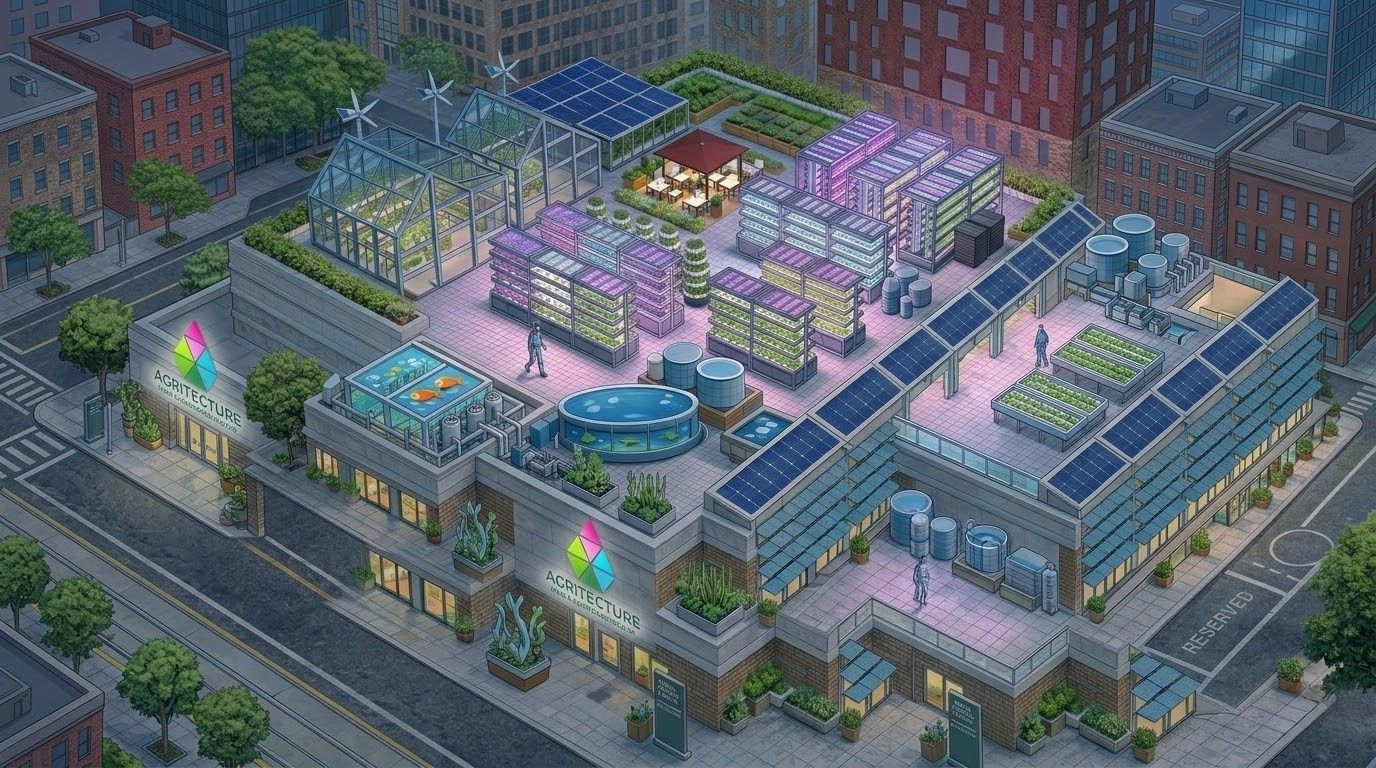
We learn your project, constraints and goals — so our advice fits your reality, not a template.
We deliver data-backed analysis, models and recommendations you can take to investors or boards.
We stay engaged through design, procurement and launch — keeping your project on track and on budget.
End-to-end support for every stage of your project, from first idea to full operation and beyond, with CEA experts across strategy, economics, technology, design and operations.
Utilizing a proven methodology applied in dozens of contexts around the world, Agritecture's feasibility service answers the toughest planning challenges.
Learn MoreFrom site selection to system specification, we translate your vision into detailed farm designs that are operationally sound and investor-ready.
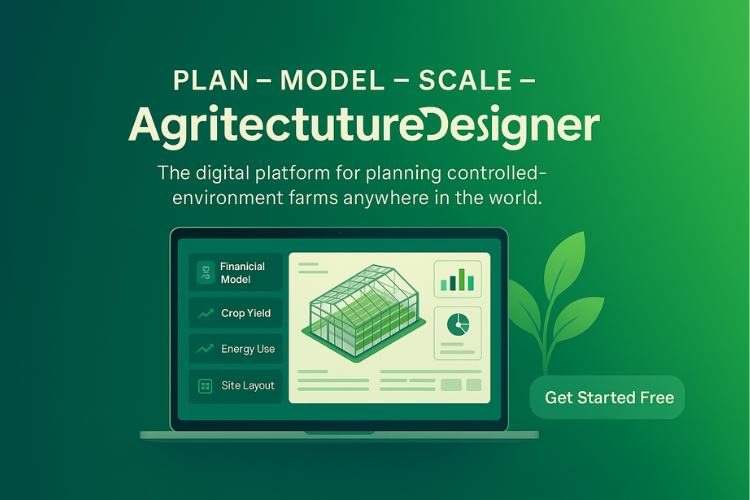
Learn MoreFrom Agritecture Designer — our end-to-end planning platform used in 40+ countries — to custom AI solutions for crop optimization, predictive analytics, and operational intelligence.
Learn MoreWe support investors and funds with technical due diligence, risk assessment, and operational evaluation of CEA ventures and agrifood portfolios.
Learn MoreCoordinating vendors, timelines, and technical decisions throughout the build — ensuring all systems integrate and your facility reaches its first harvest with confidence.
Learn MoreFractional facility management, KPI tracking, operator coaching, and continuous optimization cycles to keep your operation performing at its best.
Learn MoreIn-depth market analyses covering demand, pricing, competition, and crop suitability to help you make confident, data-backed decisions.
Learn MoreWhether you're starting from a blank site or reimagining an existing space, we shape early-stage ideas into viable agricultural concepts with clear roadmaps.
Learn MoreFrom feasibility to farm design, due diligence to local food systems — explore the full range of ways Agritecture supports agriculture projects worldwide.
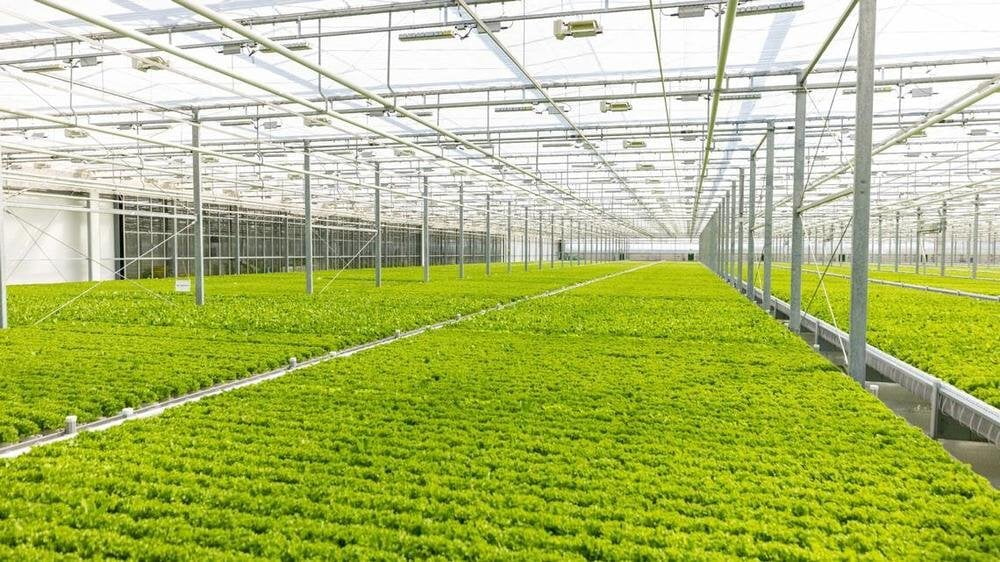
From climate-controlled glass structures to low-tech polytunnels, we help plan greenhouse operations that maximize yield and efficiency for any market.
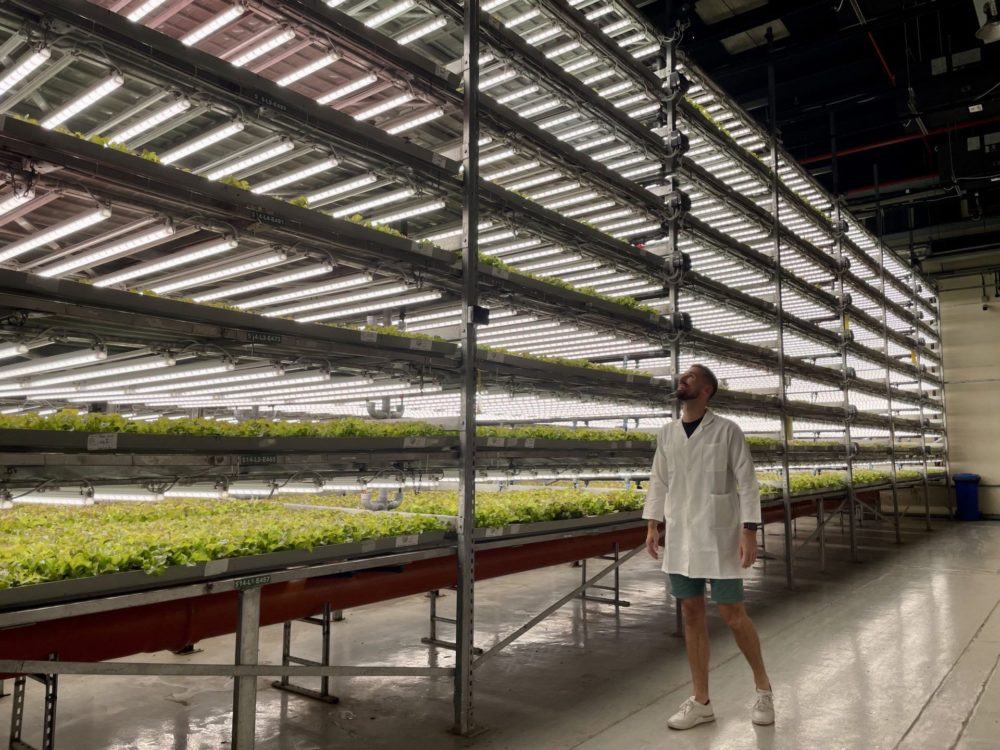
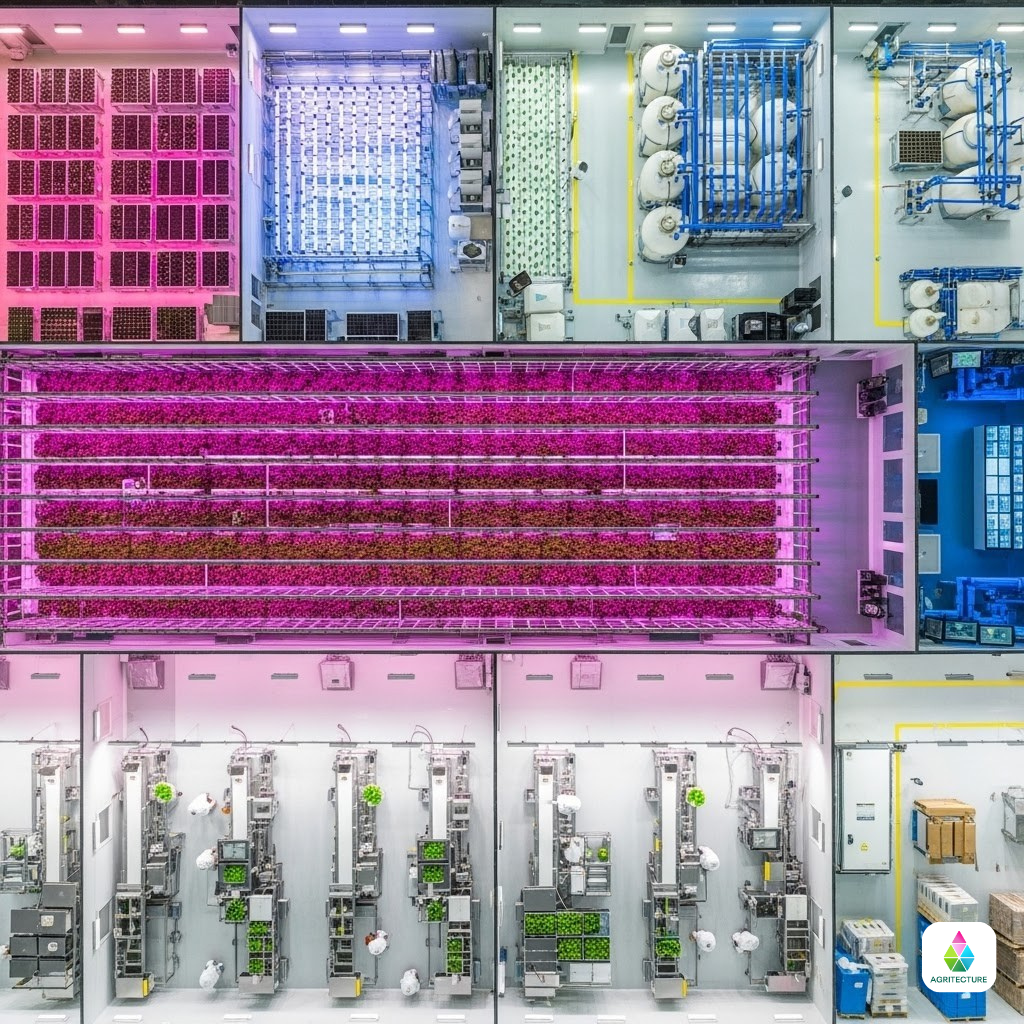
We design and evaluate indoor vertical farming systems — from container farms to large-scale facilities — optimizing layout, lighting, and crop strategy.
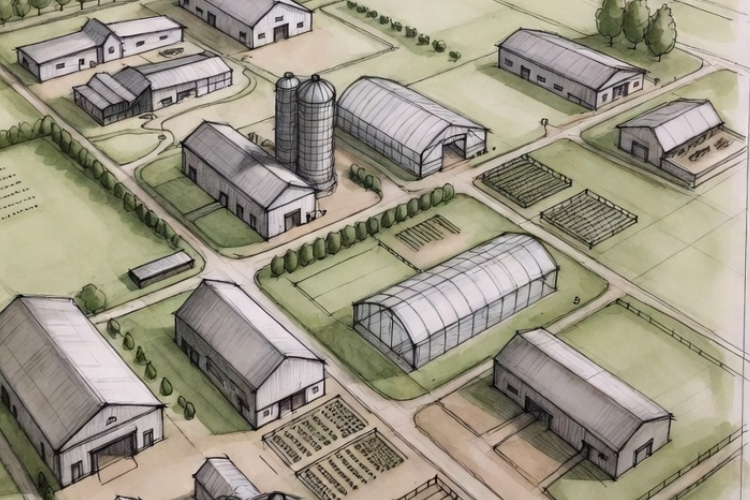
We develop agricultural master plans for campuses, municipalities, and mixed-use developments that integrate food production into the built environment.
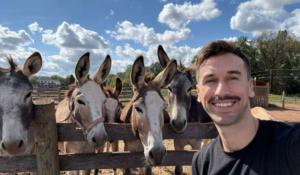
We help clients create farm-based visitor experiences — from educational tours to destination agritourism — that generate revenue and community engagement.
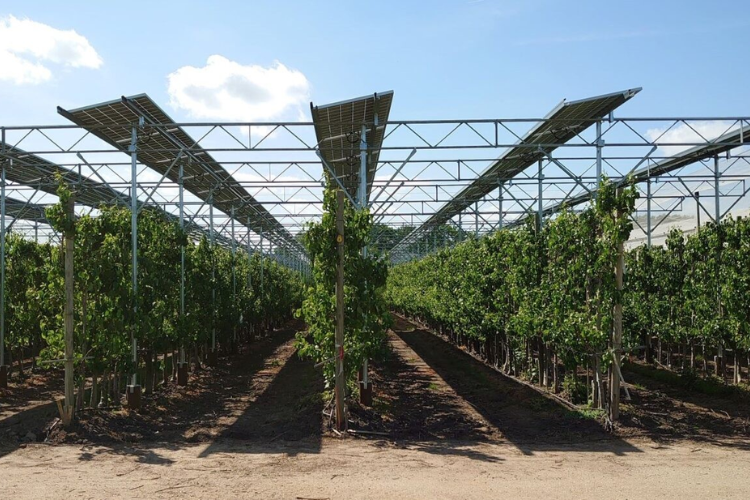
Combining solar energy with crop production, we advise on agrivoltaic systems that optimize land use and create dual-income opportunities for farmers.
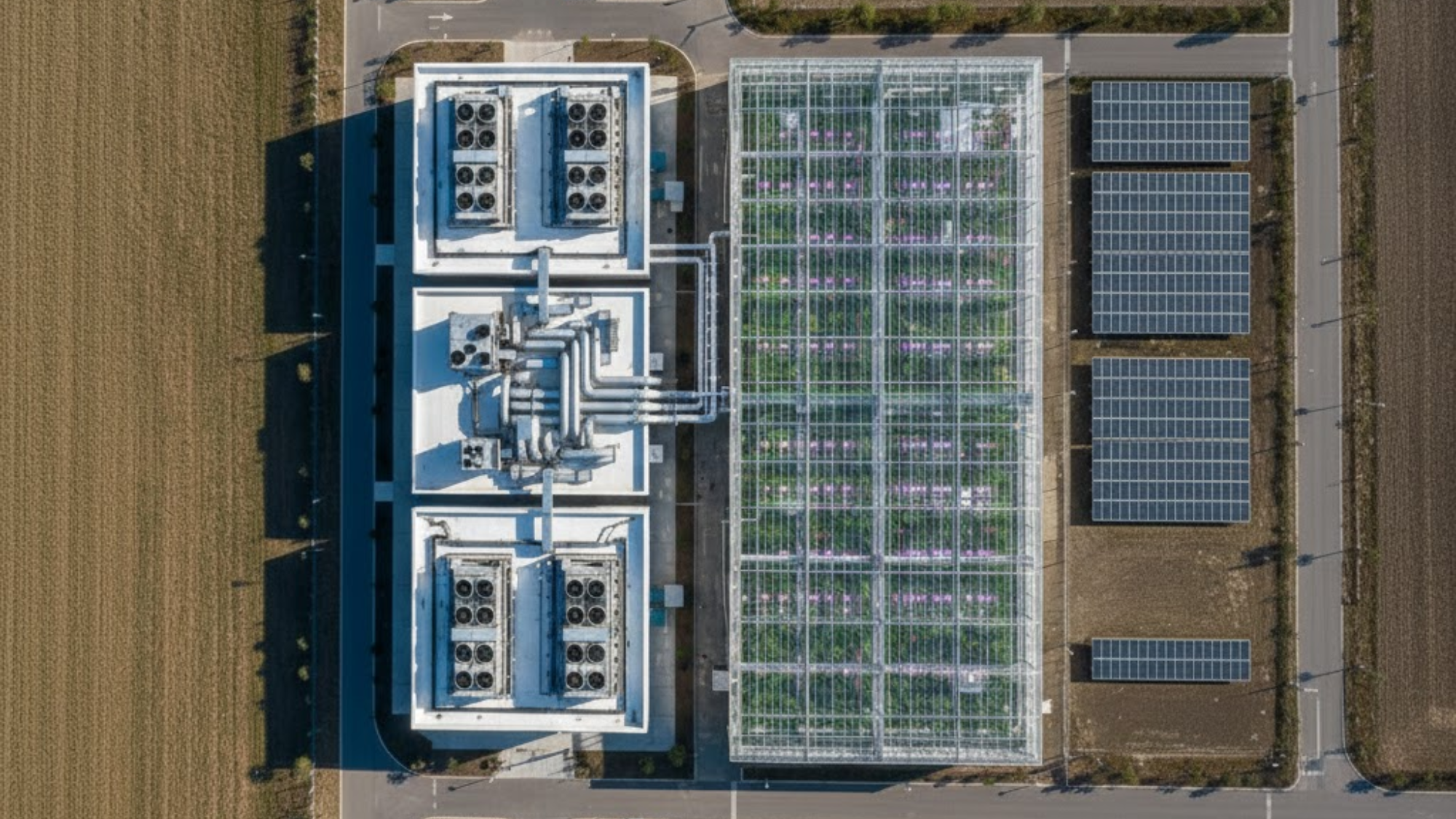
We explore the integration of CEA with data center infrastructure, leveraging waste heat and co-location to create energy-efficient growing systems.
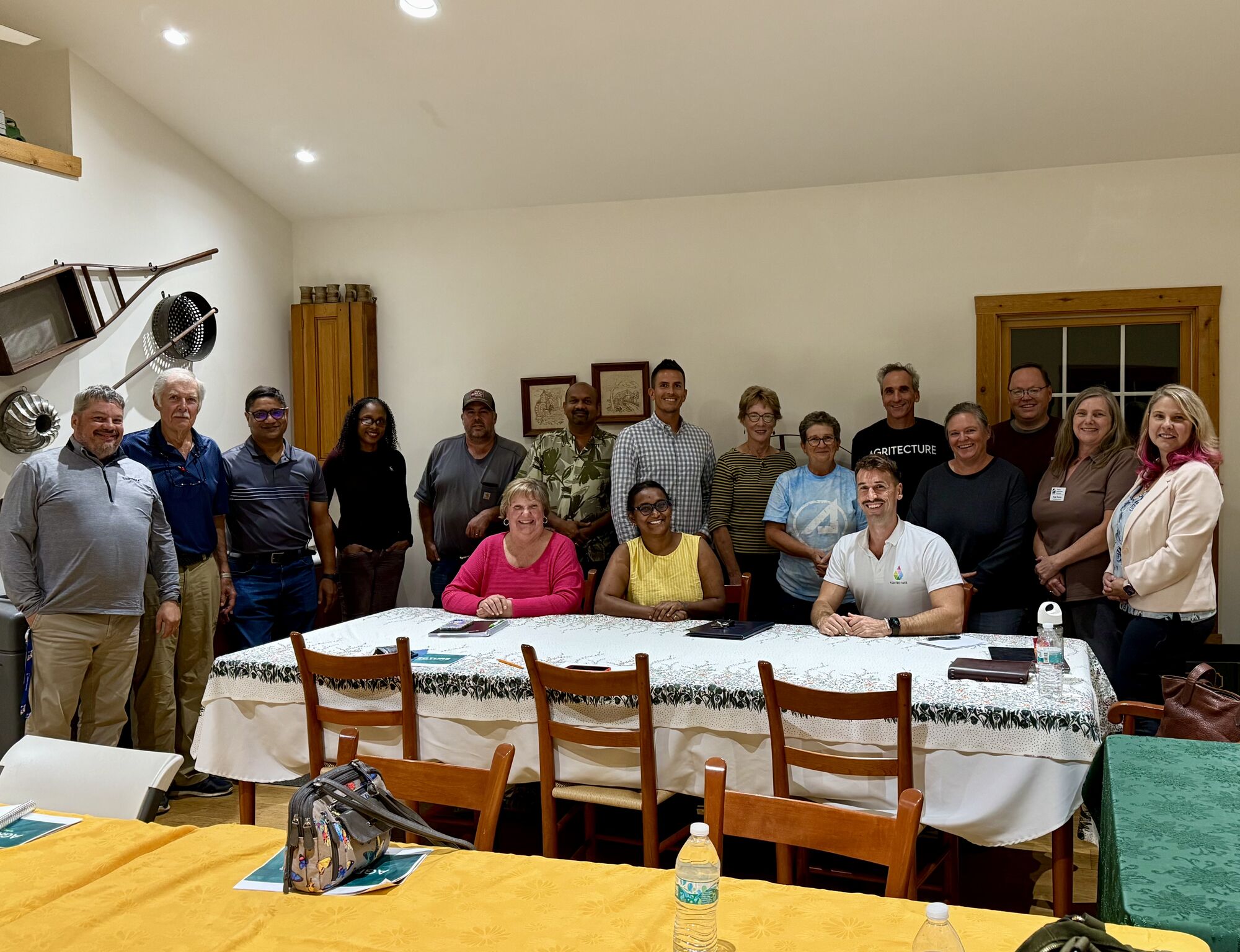
We support governments and institutions in shaping agricultural policy by providing data-driven insights, benchmarks, and strategic frameworks for CEA regulation.
We leverage artificial intelligence and machine learning to optimize crop yields, predict market trends, and drive smarter decision-making across the agricultural value chain.
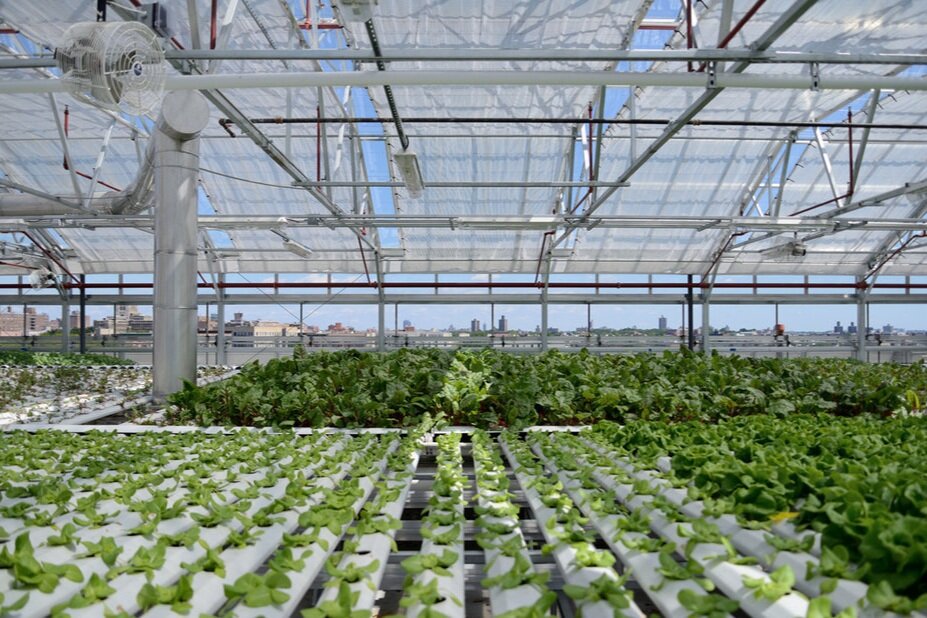
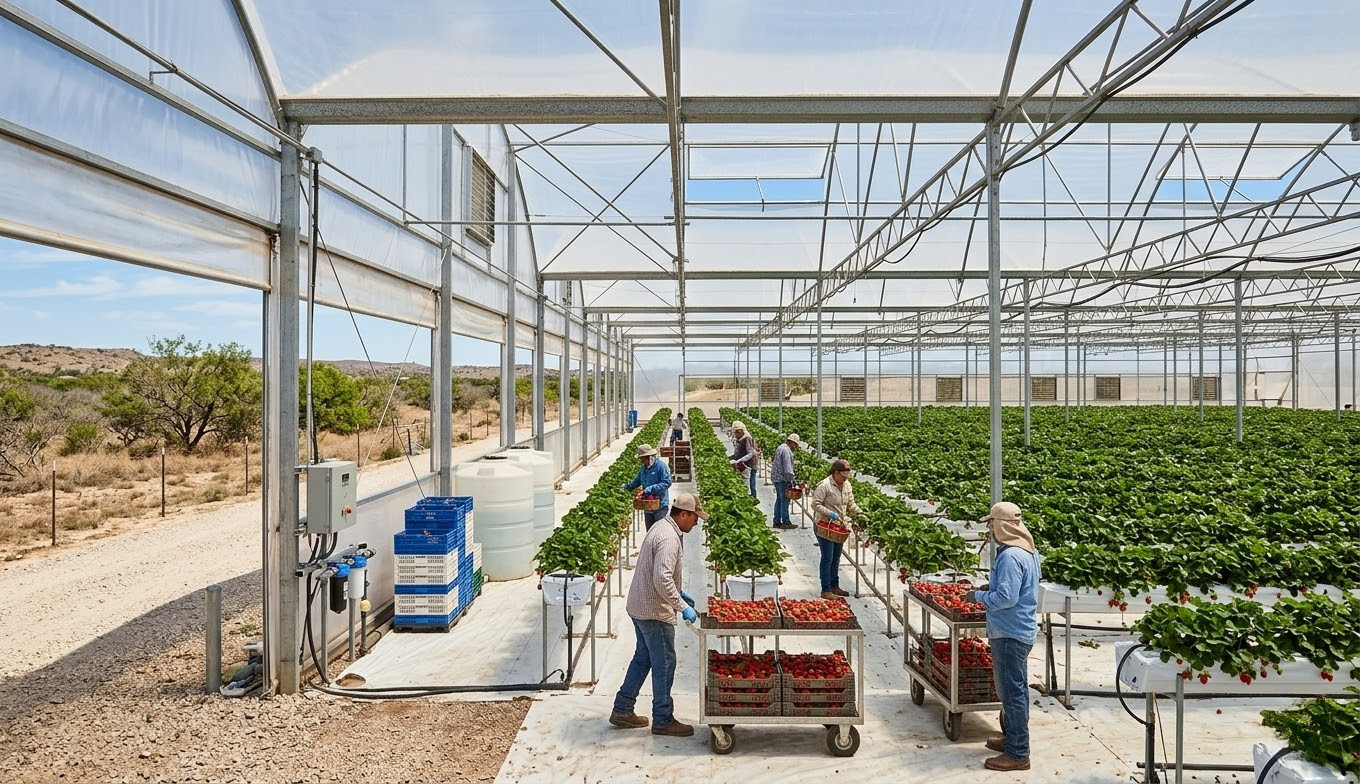
A sample of the work behind 350+ engagements — spanning six continents, every facility type, and every stage of the CEA journey.
.png)
%20(1).jpg)
.jpg)
.jpg)
Trusted by investors, operators, cities and corporations across six continents.
Agritecture's access to real benchmark data and their experience of dozens of different types of projects, which is unrivaled in this new and evolving market.
The team at AGRITECTURE were an ideal fit because they had the hydroponics and vertical farming experience along with the creativity and stamina to help us develop a recruiting and training solution in record time.
We were able to reduce our labor by 25% and still achieve our highest yields under the guidance of Agritecture.
Agritecture provided a team of experts that cut across operations, technology and infrastructure which provided the insight required to set a strong foundation and help launch my hydroponic farm operations.
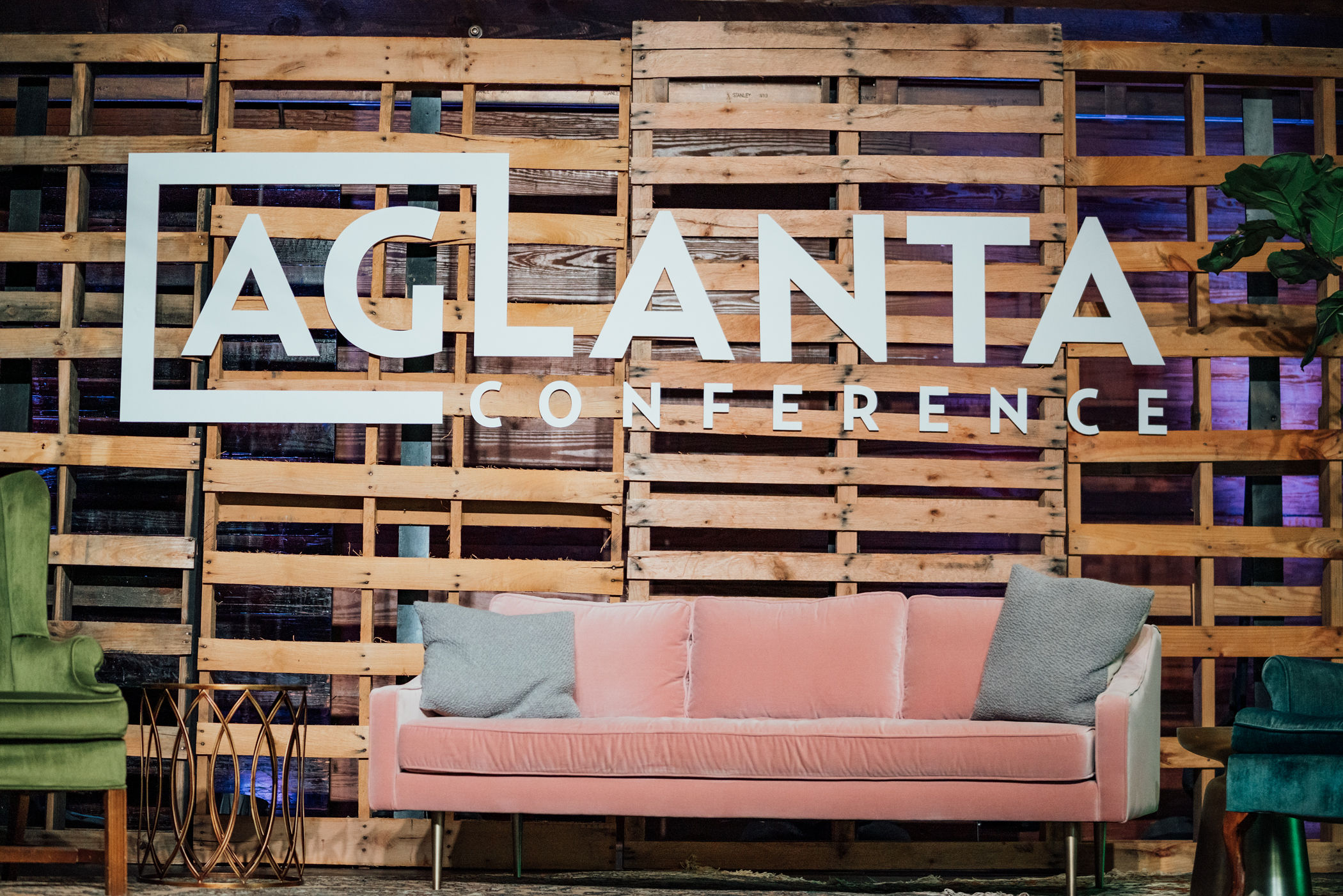
Henry and the team at Agritecture have played a critical role in bringing life to the AgLanta Conference.
Henry and his team delivered by providing a broad understanding of the vertical farming sector, key economics, and technologies to help the IKEA urban farming team structure a robust global strategy.