
We help CEA operations identify, evaluate, and integrate the right automation and AI solutions — grounded in operational reality, not vendor hype.
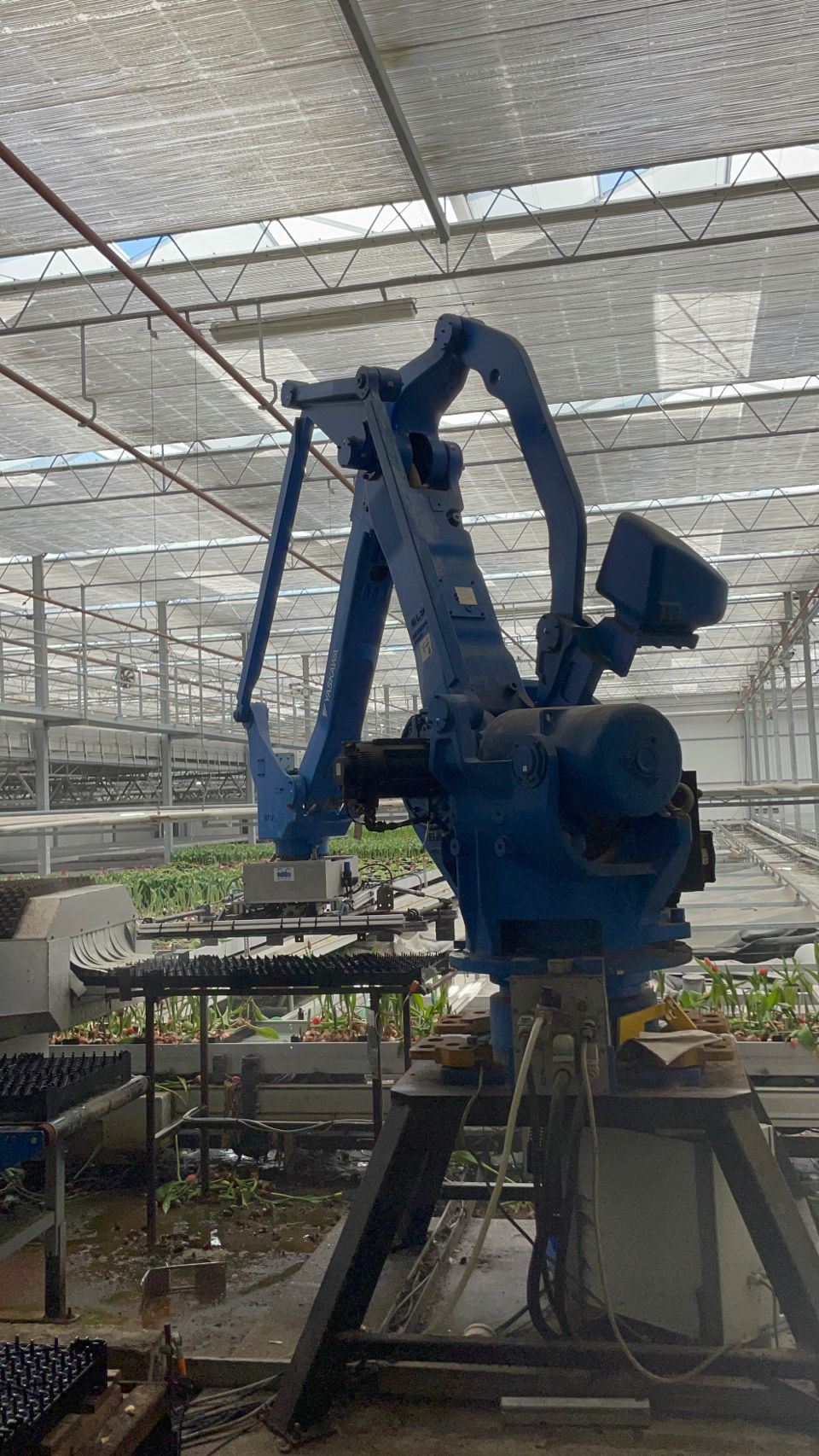
Every automation engagement follows a structured, phased approach that ensures the right decisions are made at the right time — with zero vendor lock-in.
We map every workflow, labour cost, and bottleneck in your current operation to establish a baseline.
We identify which tasks have the highest automation ROI, factoring in technology maturity and your growth plans.
We benchmark shortlisted solutions against your requirements — performance, cost, support, and scalability.
We oversee deployment, manage the transition, and track KPIs to ensure the investment delivers as modelled.
The CEA industry is flooded with technology promises. The real challenge isn't finding automation — it's knowing what's worth investing in, when to deploy it, and how to integrate it without disrupting the operation you've already built.
Most farms either over-automate too early (burning capital on systems they can't maintain) or under-automate for too long (scaling labour costs that erode margins). Agritecture bridges that gap with technology-agnostic consulting rooted in operational and financial analysis.
Hundreds of AgTech solutions with competing claims — which ones actually deliver ROI for your specific operation?
New technology layered onto existing workflows without a transition plan creates more problems than it solves.
Automating processes that aren't yet standardised locks in inefficiency instead of eliminating it.
Sensors generating terabytes of data mean nothing without the AI models and decision frameworks to act on them.
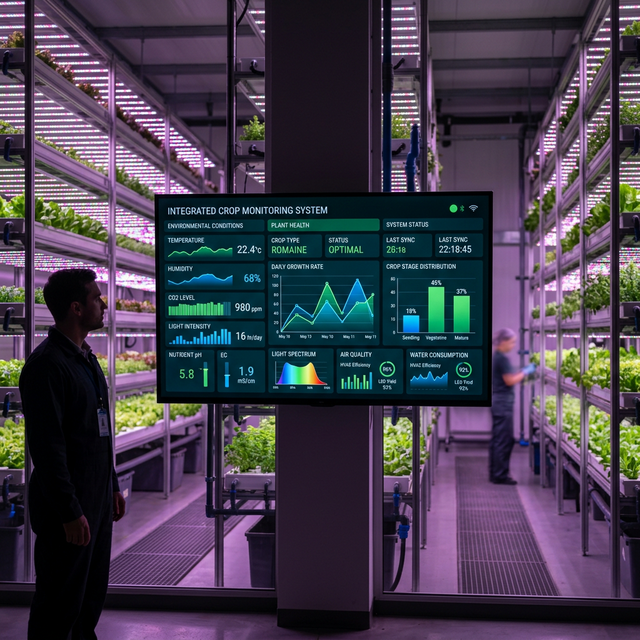
Most CEA operations collect far more data than they use. We help you close the gap between data capture and decision-making — building AI systems that predict crop performance, optimise resource allocation, and flag problems before they become costly.
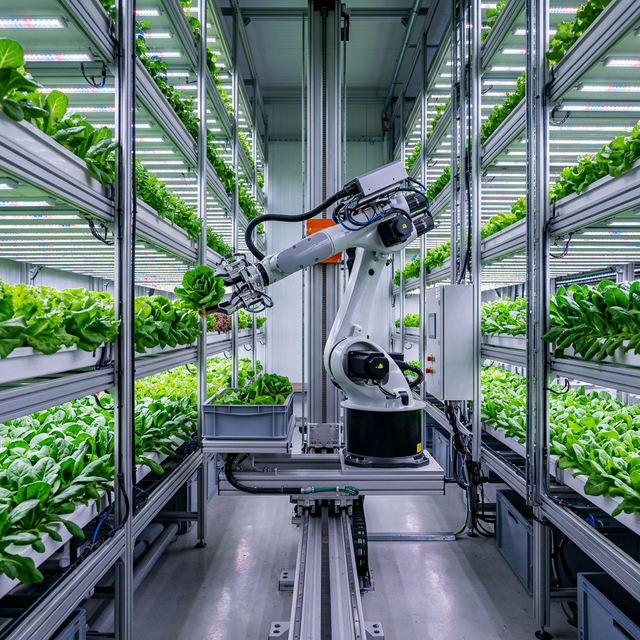
Robotics in CEA isn't one-size-fits-all. Seeding, transplanting, harvesting, packing — each task has different automation maturity levels and cost profiles. We map the automation potential of every workflow in your operation and recommend solutions that match your scale, budget, and growth trajectory.
We stay technology-agnostic so our recommendations serve your operation — not a vendor's sales pipeline. Here's the landscape we cover.
Smart environmental systems that auto-regulate temperature, humidity, CO₂, and airflow.
Connected sensor arrays for real-time monitoring of crop health, nutrient levels, and facility conditions.
Platforms that centralise planning, scheduling, inventory, and compliance into a single operational dashboard.
Camera and hyperspectral systems for automated plant health assessment, grading, and quality control.
Mechanical and soft-grip harvesting robots for leafy greens, herbs, strawberries, and vine crops.
Machine learning models for yield forecasting, demand planning, and predictive maintenance of equipment.
Automated nutrient delivery systems with real-time EC/pH balancing and recipe management.
Programmable grow-light systems with AI-driven spectral recipes optimised for growth stage and crop type.
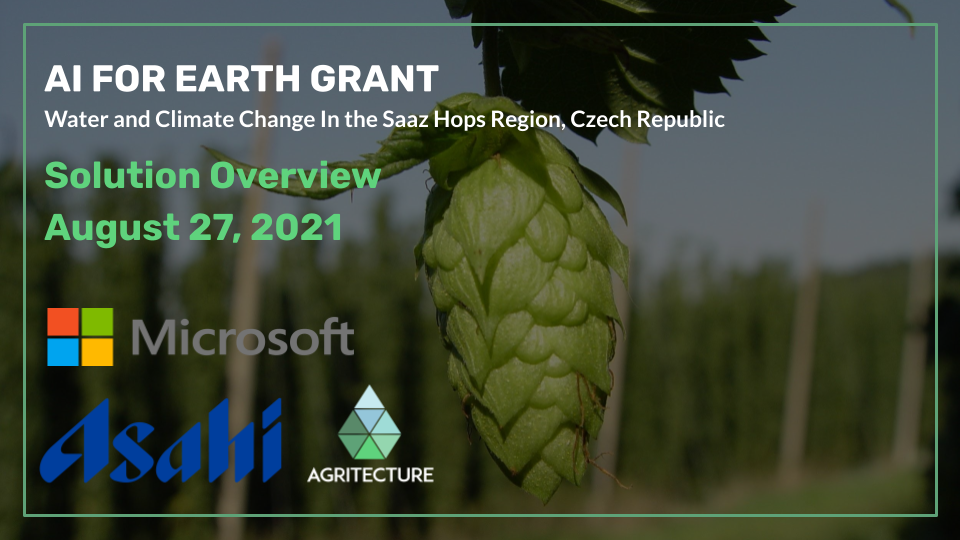
Agritecture and Asahi were awarded Microsoft's AI for Earth grant to apply machine learning and artificial intelligence to improve the viability of hops cultivation under volatile climate conditions in the Czech Republic. The project combined environmental sensor data with predictive models to optimise growing conditions and reduce crop loss.
"This collaboration proved that AI isn't about replacing growers — it's about giving them better tools to make faster, more informed decisions."
View Full Case StudyWhether you're evaluating your first robotic system or building an AI-driven farm from the ground up, let's start with a clear-eyed assessment of what technology can actually do for your business.