
Mar 8, 2026
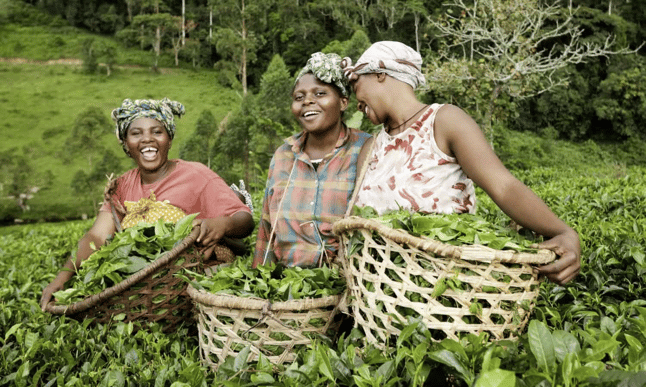
Image source: https://foodtank.com/news/2015/03/women-farmers-making-it-happen/
Women play a critical role in feeding the world. Across the globe, they contribute significantly to farming, food production, processing, and distribution. Yet their work often remains underrecognized and under-supported.
Recent data highlights the scale of women’s participation in agriculture and agrifood systems. According to the Food and Agriculture Organization (FAO), women make up approximately 36% of the global agricultural workforce (2023). Beyond farming itself, agrifood systems are also a major employer of women: 36% of all working women globally are employed somewhere along agrifood value chains, including processing, logistics, retail, and food services.
One of the most significant constraints facing women in agriculture globally remains access to land. Monitoring of Sustainable Development Goal (SDG) 5.a.1 shows that among the 49 countries with available data, nearly 80% report that less than half of women have secure land rights. In many of these countries, men are at least twice as likely to own land as women.
Legal protections also remain uneven. Under SDG indicator 5.a.2, which assesses national laws protecting women’s land rights:
- 17% of countries provide high or very high legal protection
- 24% provide medium protection
- 59% fall into low, very low, or no protection categories
These statistics underscore a persistent reality: women are indispensable contributors to food systems, yet structural barriers still limit their access to resources, land, and leadership opportunities.
Women in Controlled Environment Agriculture (CEA)
As agriculture evolves to address challenges such as climate change, urbanization, and resource scarcity, Controlled Environment Agriculture (CEA), including greenhouses, vertical farming, and indoor agriculture, has emerged as a key component of future food systems. Alongside technological innovation, the sector is also seeing a growing presence of women taking on leadership and technical roles across the industry. Compared with many traditional agricultural sectors, CEA sits at the intersection of technology, sustainability, and entrepreneurship, creating new pathways for diverse talent and leadership. Women are contributing across the ecosystem in a variety of roles: designing climate control systems and farm infrastructure, leading vertical farming startups, building industry media platforms, supporting growers through technical services, and developing research and training programs.
One initiative helping support and connect this growing community is Women in CEA (https://www.women-in-cea.org/), a global network dedicated to empowering women working in controlled environment agriculture. The organization brings together professionals from across the sector, including researchers, engineers, founders, investors, and growers, through networking opportunities, mentorship, and industry events. By promoting collaboration, visibility, and leadership development, Women in CEA helps ensure that the rapidly expanding indoor agriculture sector benefits from diverse perspectives and expertise while strengthening the role of women in shaping sustainable food systems.
Thea Isabella Otto, founder of Women in CEA says: It’s incredible to see how far we’ve come. from five women starting a conversation to a global community of more than 300 across our sector, and now launching our first mentorship cohort. Week after week I see that women are natural collaborators, not only supporting each other, but accelerating innovation and driving a stronger future for food.
Highlighting Women Pushing the Boundaries in CEA
Across the global CEA ecosystem, many women are pushing the boundaries of innovation, research, entrepreneurship, and industry collaboration. While it would be impossible to cover everyone contributing to this field, we selected a number of professionals who are helping shape the industry, from vertical farming leaders and engineers to journalists and ecosystem builders.
Below are a few of the women whose work is advancing the future of controlled environment agriculture.
Nona Yehia, Company: Vertical Harvest
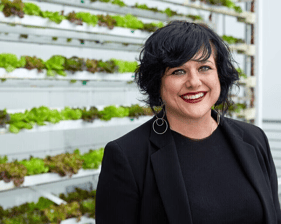 Nona Yehia is the co-founder and CEO of Vertical Harvest Farms, an urban vertical farming company that integrates food production with community impact. Vertical Harvest’s hydroponic indoor farms are designed to produce fresh food year-round while also creating inclusive employment opportunities for people with disabilities. Yehia has been instrumental in scaling the company’s model across new U.S. cities, demonstrating how vertical farming can strengthen local food systems and urban resilience.
Tisha Livingston, Company: Infinite Acres
 Tisha Livingston is the CEO of Infinite Acres, a company focused on scaling indoor agriculture through technology, advisory services, and global partnerships. With previous experience co-founding Urban Produce, Livingston has been deeply involved in the development of commercial vertical farming. At Infinite Acres she works on helping operators build efficient indoor farming systems using data, automation, and strategic collaboration.
Arsema Gebremichael, Company: Agritecture Consulting
 Arsema Gebremichael works with Agritecture, a global advisory firm focused on urban agriculture and controlled environment agriculture strategy. Arsema is a software engineer who blends creativity with technical precision to develop innovative technology solutions. She is driving the growth of Agritecture Designer.
Christine R Gould , Company: GIGA Futures
 Christine R. Gould is a global innovation leader, entrepreneur, author, and movement-builder. As Founder & CEO of GIGA Futures, she unlocks billion-dollar opportunities across agriculture, food, and climate by mobilizing startups, corporates, investors, and governments to scale solutions that impact billions. She previously built Thought For Food® into the world’s leading next-gen agrifood innovation community, guided Fortune 500 companies on innovation strategy, and held leadership roles at Syngenta and early Flagship portfolio companies. A UN Food Systems Advisor and award-winning strategist, she authored 'The Change-Maker's Guide to Feeding the Planet.
Katia Zacharaki , Company: InnoPhyte Consulting
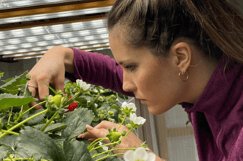 Katia is an experienced Agronomist, with strong technical and business experience in soil-less production of strawberries. Holds a MSc in Agricultural Engineering and a MBA in Agribusiness, and before her entrance in the Urban Farming industry she spent some time teaching undergraduate Agriculture and Countryside Management degrees. Since 2019 she is part-time PhD student at Harper Adams University. Her PhD is focused on the optimisation of LED technologies for strawberries in TCEA (Total Controlled Environment Agriculture). Katia founded InnoPhyte Consulting with a mission to offer “Science as a Service”.
Jenny Zammit, Company: Sollum Technologies
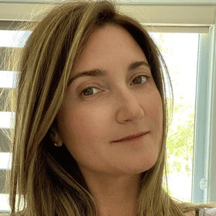 Jenny Zammit is Vice President, Marketing & Customer Success at Sollum Technologies, bringing extensive expertise in marketing and business strategy. At Sollum Technologies, Jenny oversees marketing initiatives and drives customer success strategies. Their leadership extends to the role of Operations Vice President, Marketing & Business, demonstrating versatile expertise in both areas.
Kristin D. Zeit, Company: Meister Media WorldWide
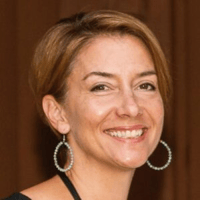 Kristin is the Content Lead for the media brand CEAg World, covering the controlled environment agriculture food industry (greenhouses, vertical farms, aquaponics, urban farming, and more). She is involved in the CEA Census as well.
Laura van de Kreeke, Company: Growy
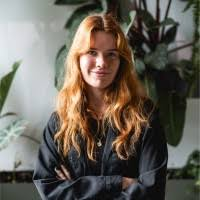 Laura van de Kreeke, a dedicated Growy farmer with an extensive background that spans several critical areas from biology to communications, is deeply involved in this agricultural evolution. With a passion for sustainability and a hands-on approach to farming, Laura has been instrumental in advancing Growy’s mission from its inception. She embodies the company’s commitment to innovation and relentless pursuit of agricultural excellence.
Isabelle van Doorn, Company: Moleda
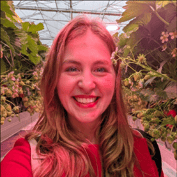 Isabelle van Doorn is an indoor farming specialist and graduate of Wageningen University & Research with expertise in urban agriculture, hydroponics, greenhouse horticulture, and integrated pest management. Currently Head of Strawberry at Moleda, she leads the commercial growth and strategic development of the company’s strawberry segment, focusing on sustainable steam-based sterilization technologies for horticulture. Isabelle combines scientific knowledge with an entrepreneurial mindset to bridge technology and business, helping growers adopt innovative solutions that improve productivity, biosecurity, and sustainability.
Karla Garcia, Company: Hort Americas
 Karla Garcia is a Technical Service Specialist at Hort Americas, a leading supplier of products and expertise for greenhouse and indoor farming operations. With a strong background in plant science and hydroponic crop management, she supports growers by providing technical guidance on nutrients, substrates, and environmental conditions. Garcia is also active in educational programs that train new growers in controlled environment agriculture practices.
Dr. Nadia Sabeh, Company: Dr. Greenhouse
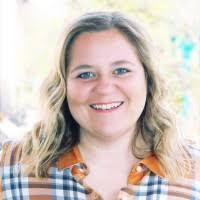 Dr. Nadia Sabeh is the founder and president of Dr. Greenhouse, an engineering consultancy specializing in climate system design for greenhouses and indoor farms. Her work focuses on HVAC, dehumidification, and environmental control systems that help optimize crop performance and energy efficiency in controlled environments. Sabeh is widely recognized as a leading technical expert in greenhouse engineering and indoor farm climate design.
Thea Isabella Otto, Company: Crop Convergence, Women in CEA
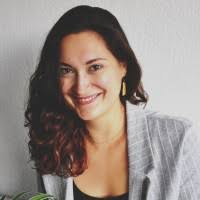 Thea is the Business Development Manager at Crop Convergence where she develops and executes business development strategies across Europe and beyond, enhancing market presence. She is also the founder of Women in CEA
Marit Svälas, Company: Avisomo
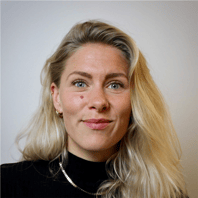 Marit Svälas is the Commercial Manager of Avisomo, a Norwegian vertical farming company. Avisomo gives food retailers and distributors direct control over their fresh produce supply. Their FRØY Growth System is a fully remotely controlled vertical farming platform that automates production from seed to packaged product — directly inside retail distribution centers.
Daria Shchurik, Company: Greeneration
 Daria Shchurik is the Head of Growth at Greeneration, where she focuses on expanding partnerships and market opportunities for sustainable agriculture technologies. Her work involves connecting vertical farming companies with investors, collaborators, and new markets. Through strategic outreach and ecosystem development, she contributes to accelerating the adoption of controlled environment agriculture solutions.
Eri Hayashi, Organization: Japan Plant Factory Association (JPFA)
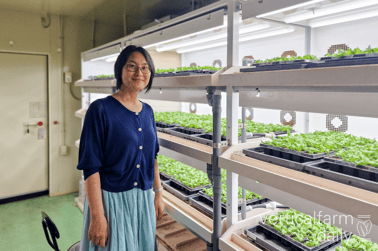 Dr Eri Hayashi is the President of the JPFA, where she is also the Director of International Relations and Consulting. She works on international collaboration, research programs, and educational initiatives that support the global growth of plant factory technologies and indoor agriculture innovation.
Diletta Di Iollo, Company: iGrow News

Diletta is a strategic consultant with more than 10 years of experience in agriculture, innovation, and international development. She helps startups, scale-ups, and organizations navigate market entry, growth, and positioning in complex sectors such as agtech.
Her work combines a deep understanding of markets and technology, clear and compelling communication strategy and the ability to move between global frameworks and local realities.
Looking Ahead
Women have always played a vital role in agriculture, yet the statistics show that access to land, resources, and leadership opportunities remains uneven worldwide. As new agricultural technologies emerge, sectors like controlled environment agriculture offer an opportunity to build a more inclusive industry from the ground up.
The women highlighted here, along with many others across the world, are helping shape the future of food production through innovation, collaboration, and leadership. Their work reminds us that the transformation of agriculture will not only be technological, but also social, driven by diverse voices working together to build resilient and sustainable food systems.