Production & Growing Operations
Is your facility producing what it was designed to produce? We measure actual output against design targets and industry comparables.
A comprehensive, data-backed assessment of every dimension of your CEA operation — production, sales, marketing, finance, and team — benchmarked against top performers to show you exactly where to focus.
Most CEA operators know something isn't right — yields aren't hitting targets, costs are higher than planned, the team feels stretched, or sales aren't growing fast enough. But they don't know where the real bottleneck is, or what "good" actually looks like for a facility of their size, crop type, and market.
Agritecture's operational audit gives you the answer. We assess every dimension of your business — not just the growing side — and benchmark it against real data from 350+ projects across 45+ countries. The output isn't a vague recommendation. It's a scored report with a prioritized action plan that tells you exactly what to fix, in what order, for maximum impact.
Think of it as a diagnostic before the treatment plan. You get clarity. Then you decide what to do with it.
We don't just audit the growing side. Every dimension of the business gets assessed, scored, and benchmarked — because the bottleneck is rarely where you think it is.
Is your facility producing what it was designed to produce? We measure actual output against design targets and industry comparables.
Are your systems working together, or fighting each other? We evaluate how every piece of infrastructure is performing under real conditions.
Growing great produce is only half the business. We evaluate how effectively you're getting it to market and generating revenue.
Does your market know you exist? We assess how your brand, digital presence, and marketing efforts are driving demand and differentiation.
A farm can be high-yielding and still lose money. We dig into the numbers that determine whether the business model actually works.
Facilities don't fail — teams do. We evaluate whether your people, structure, and culture can sustain the operation you're trying to build.
A structured process designed to get you answers quickly without disrupting daily operations.
We gather operational data, financial records, production logs, sales reports, and team structure documentation. We'll tell you exactly what we need.
Week 1–2On-site or remote deep dive into every domain. Facility walkthroughs, team interviews, system testing, process observation, and market analysis.
Week 2–4Your performance scored against comparable operations from our database of 350+ projects. Not generic averages — real comparables matched by scale, crop, and market.
Week 4–6Comprehensive audit report with domain scores, benchmark comparisons, gap analysis, and a prioritized action plan ranked by impact and effort.
Week 6–8Our benchmarks aren't pulled from white papers. They come from a decade of hands-on work with operating farms, proprietary data sets, and global industry research.
Performance data from projects we've designed, built, and advised across 45+ countries — greenhouses, vertical farms, container farms, and hybrid systems.
Our annual industry census collects operational and financial data from CEA operators worldwide — giving us the most current view of where the industry stands.
Thousands of facility models run through our software — providing production, energy, and financial benchmarks across every major crop and system type.
Direct relationships with top-performing farms globally. We don't just have data — we know what the best operators are actually doing differently.
If any of these sound familiar, an audit will give you the clarity you need to take action.
Your facility was designed to produce X but consistently delivers less. You need to know whether the issue is production, systems, or something else entirely.
Labor, energy, or input costs are higher than the business plan assumed. An audit identifies exactly where the overruns are and what's addressable.
You're raising a round and need an independent assessment of operational health. An audit gives investors confidence — or tells you what to fix first.
Before you build the second facility, make sure you've optimized the first. An audit identifies what to replicate and what to redesign.
New CEO, new Head of Operations, or new board involvement. An audit gives incoming leadership an objective baseline to work from on day one.
You know the facility should be doing better but don't know where to focus. An audit replaces intuition with data and a ranked plan of action.
Examples of how Agritecture has helped facilities diagnose operational gaps and drive performance improvement.
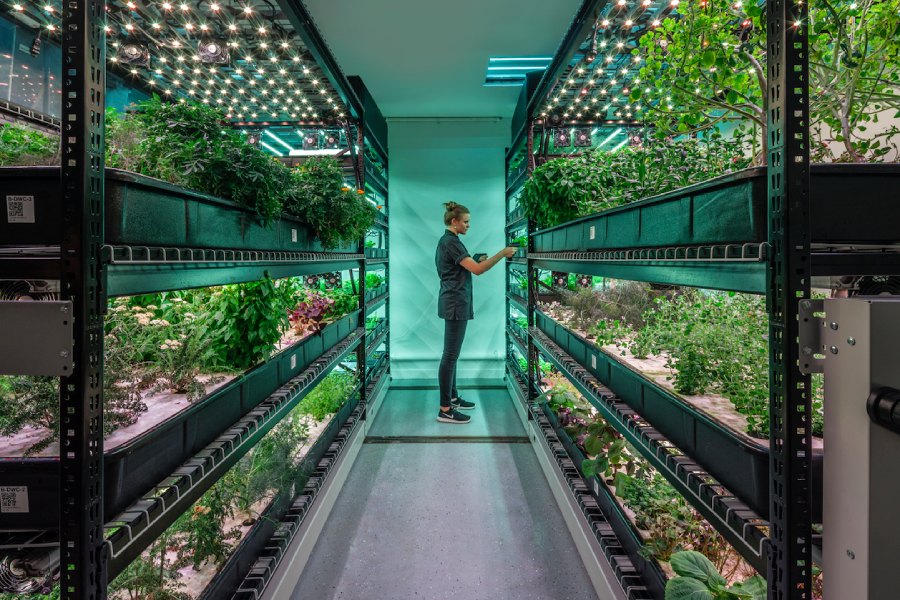
Assessed growing operations and researched rare crop species to optimize production — guiding the team from initial launch through ongoing operational refinement.
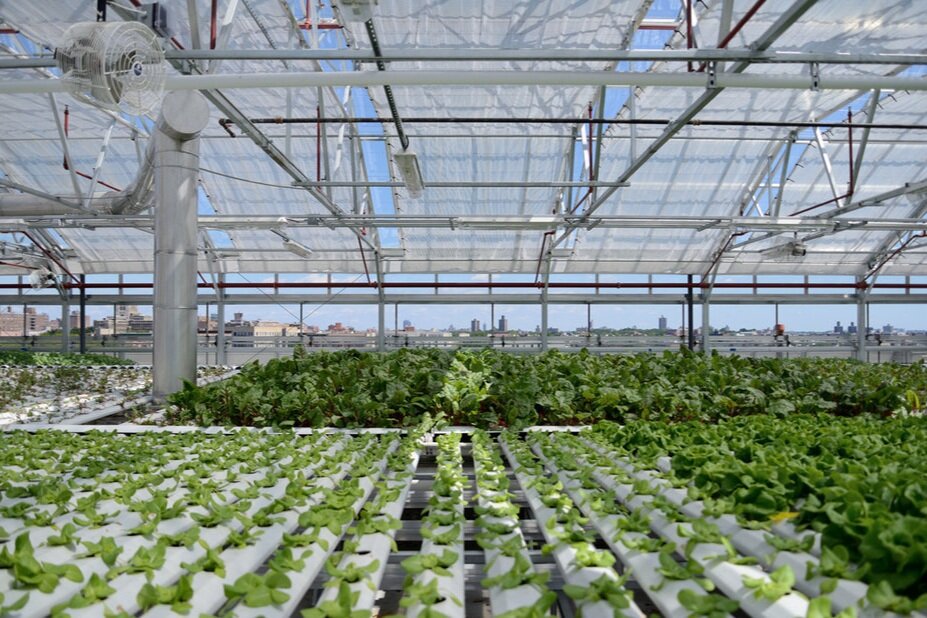
Evaluated rooftop greenhouse operations, identified production bottlenecks including crop pest management, and implemented changes that increased yield output.
Benchmarked hydroponic container farm performance against leading indoor farming solutions — validating expansion assumptions with data-backed comparisons.
A 360-degree assessment covering six domains: production and growing operations, facility and systems, sales and distribution, marketing and brand, financial and unit economics, and team and organization. Every domain is scored against industry benchmarks and comparable operations from our 350+ project database.
Our benchmarks come from 350+ projects across 45+ countries, the Global CEA Census, Agritecture Designer's modeling database, and direct relationships with top-performing farms. We benchmark against operations matched by scale, crop type, geography, and business model — not generic industry averages.
A typical audit takes 4–8 weeks: data collection (1–2 weeks), on-site or remote assessment (1–2 weeks), analysis and benchmarking (1–2 weeks), and report delivery (1 week). We also offer focused audits on specific domains in a shorter timeframe.
Any operating CEA facility that wants an honest, data-backed picture of where it stands. Common triggers include performance below design targets, pre-funding due diligence, pre-expansion assessment, new leadership seeking a baseline, cost overruns, or general underperformance. Also valuable for investors evaluating portfolio companies.
You receive a comprehensive audit report with domain scores, benchmark comparisons, gap analysis, and a prioritized action plan. Many clients then engage Agritecture for ongoing management to implement the recommendations — turning findings into measurable improvement. The audit becomes the diagnostic that informs the treatment plan.