Campus Farms
From rooftop greenhouses to container farms, we design campus growing spaces that produce food and power learning.

We help schools and universities bring agriculture to life on campus — from educational growing programs and campus farms to hands-on STEM curriculum integration.
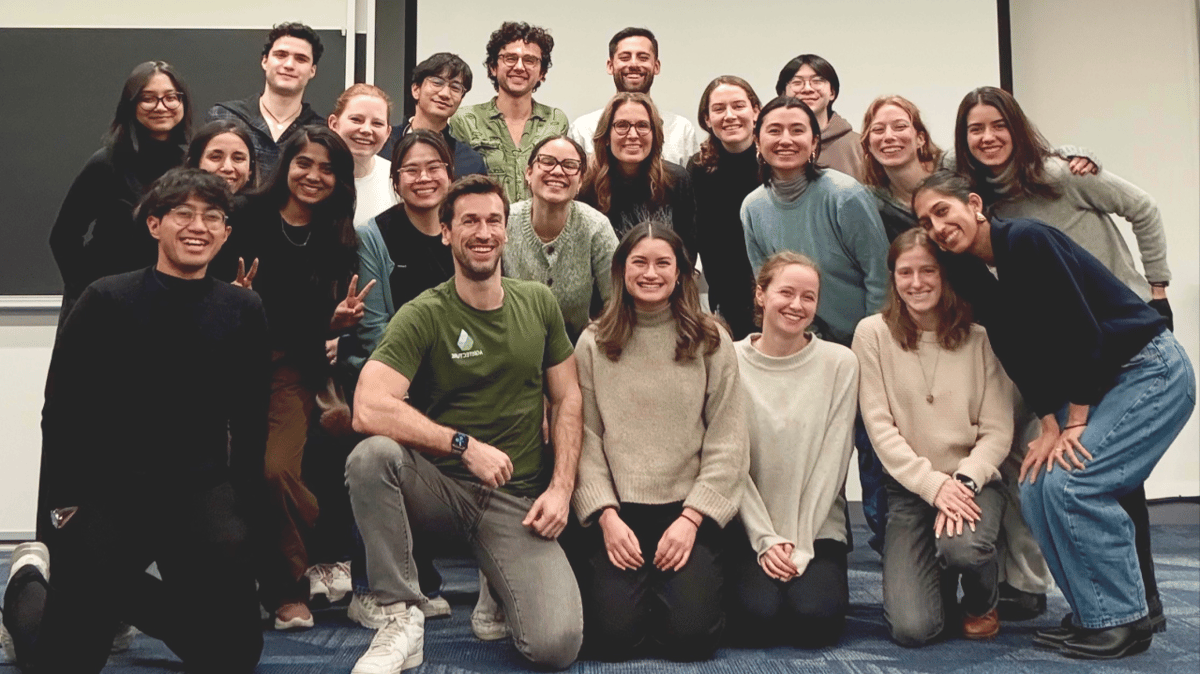
A campus farm can teach science, feed a dining hall, and anchor a sustainability program all at once. We help educational institutions design growing spaces that are academically rich, operationally realistic, and built to last beyond a single grant cycle.
The core ways we help — tailored to where you are and what you are trying to build.
From rooftop greenhouses to container farms, we design campus growing spaces that produce food and power learning.
We connect growing systems to STEM and sustainability curricula, turning a farm into a living classroom.
We assess market demand, site conditions, crop selection, and financial viability before you commit capital — so you build on data, not assumptions.
A sample of the work behind our global track record of 350+ projects across 45+ countries.
.jpg)
Research grant to develop a database of farms, define new farmer needs, and establish best practices for urban agriculture in New York State.
.png)
Comprehensive proposal for an urban agriculture education center — fresh produce hub, job training, community leadership.
.jpg)
Analyzed opportunities for high-technology horticulture in Australia and recommended the most suitable CEA solutions for local conditions.
Guides, insights, and lessons from the field.
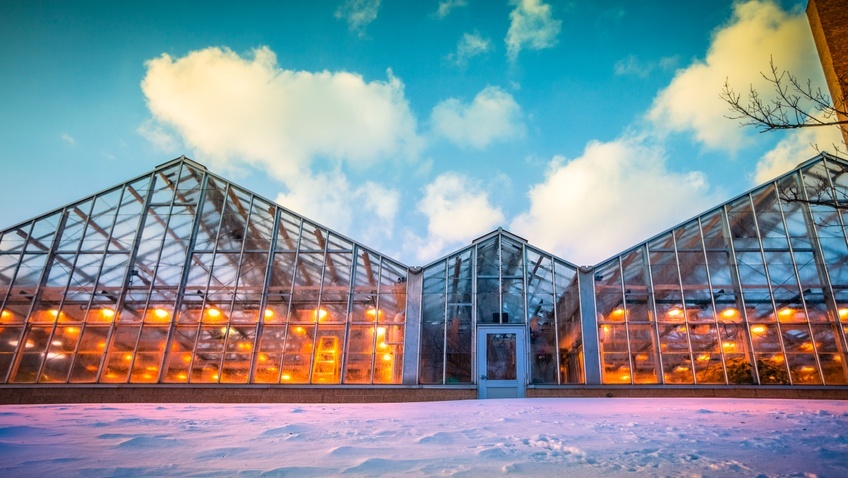
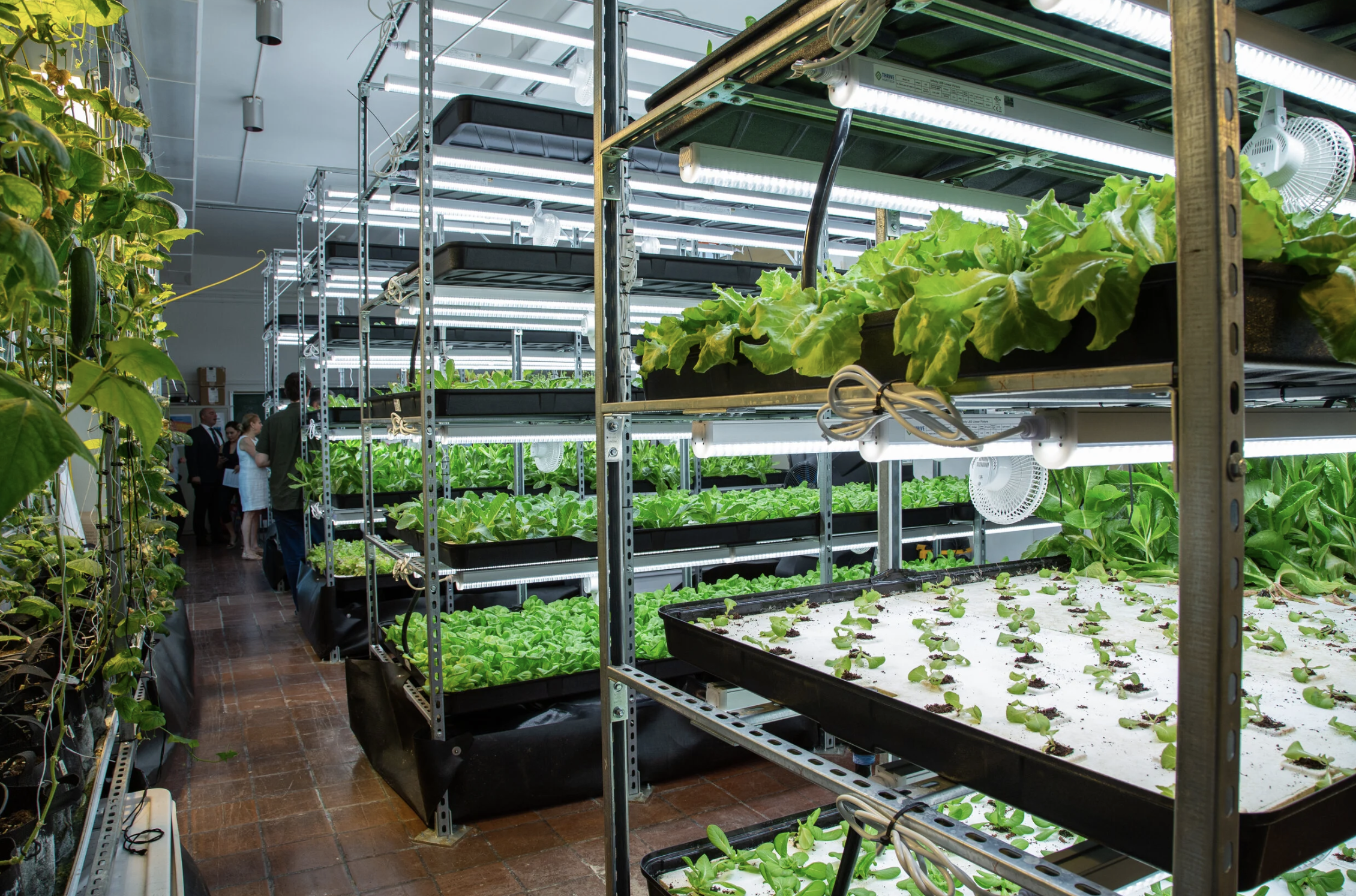
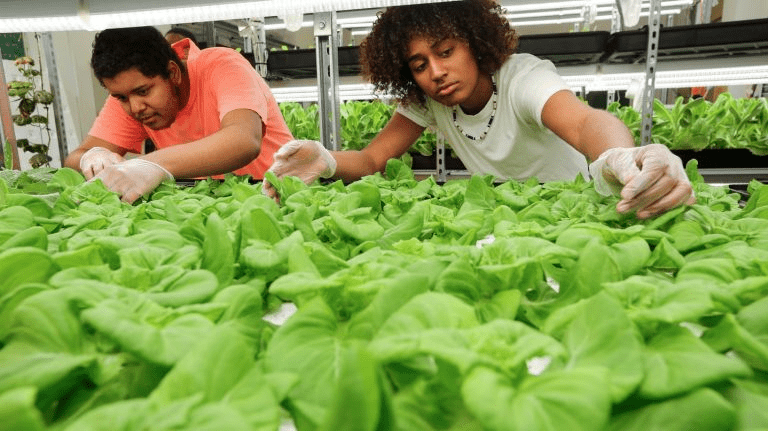
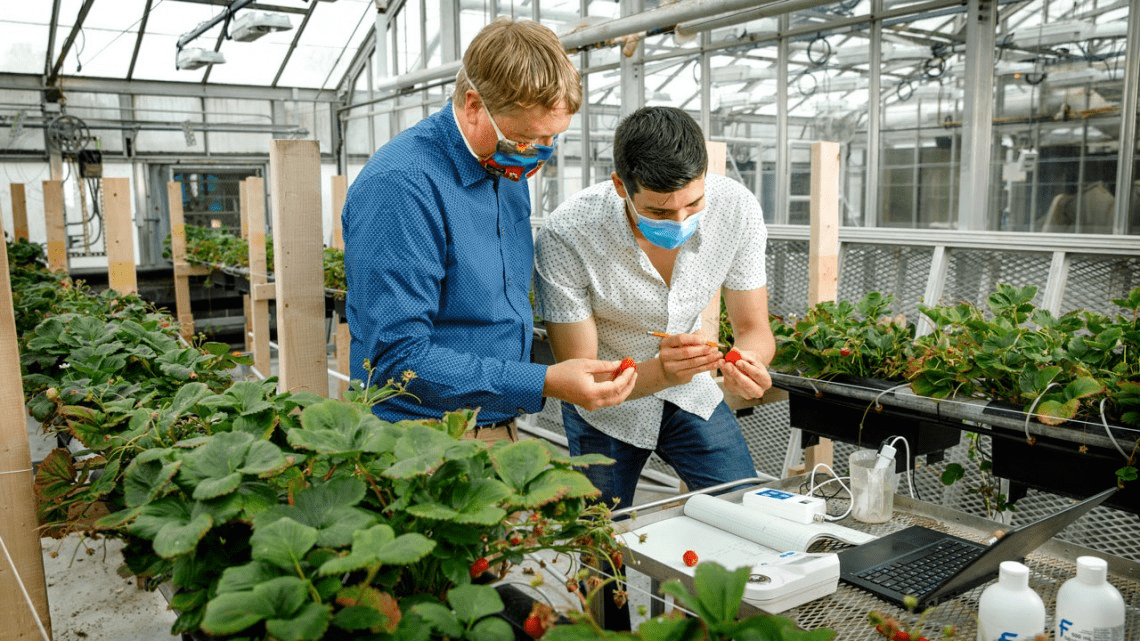
We design campus farms, integrate growing systems into STEM and sustainability curricula, and run feasibility studies so educational growing programs are academically valuable and operationally realistic.
A campus farm is a growing space — rooftop greenhouse, container farm, or indoor system — that produces food for the institution while serving as a teaching and research facility.
Yes. Growing systems map directly onto biology, chemistry, engineering, business, and sustainability coursework, turning the farm into a living classroom rather than a standalone amenity.