USDA UAIP-funded plan covering GIS site assessment, zoning reform, and multilingual community engagement to activate vacant land for urban agriculture.
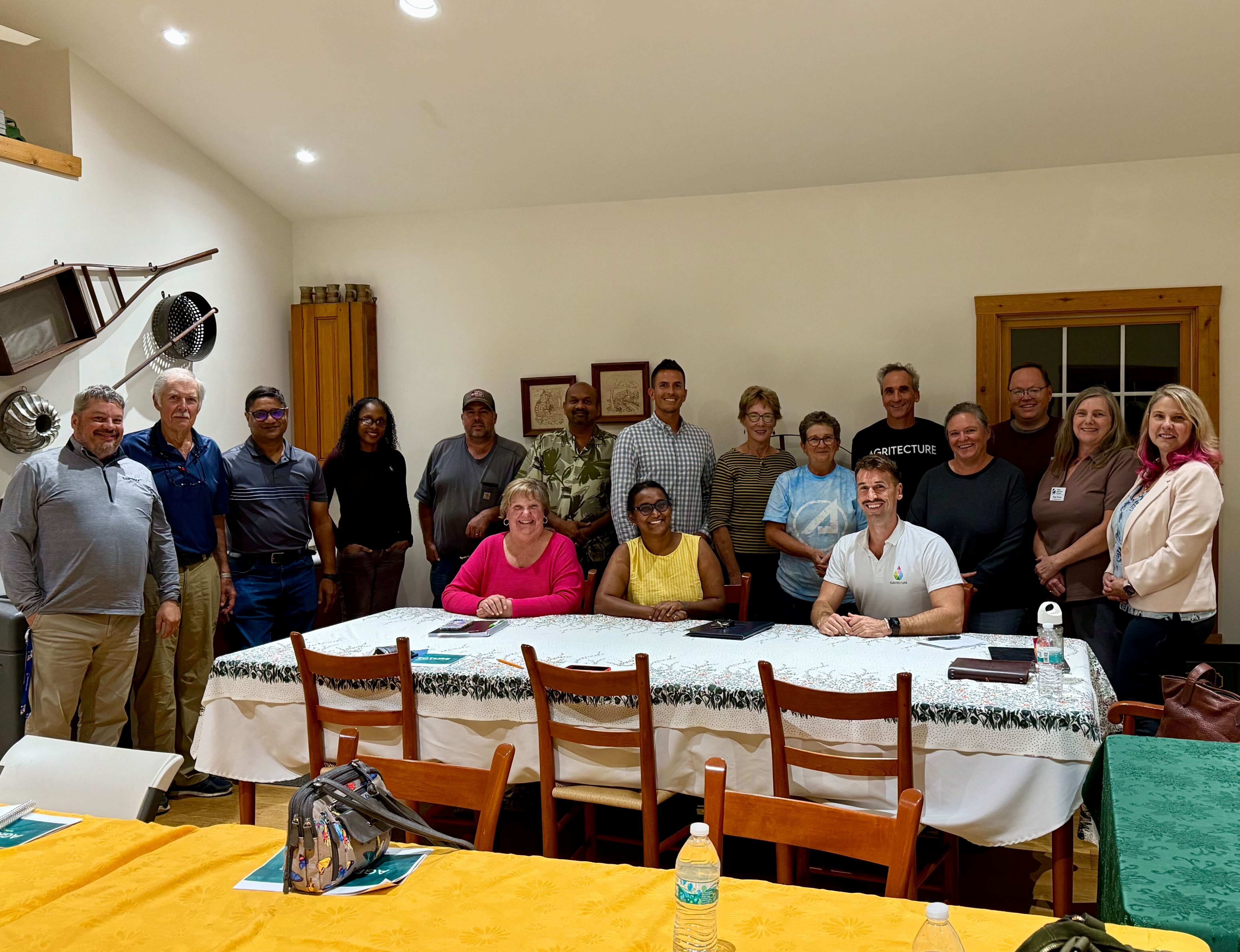
Agritecture partners with cities, counties, and regional authorities to develop comprehensive food system plans — from GIS-based site assessment and stakeholder engagement to zoning reform, economic analysis, and implementation roadmaps.
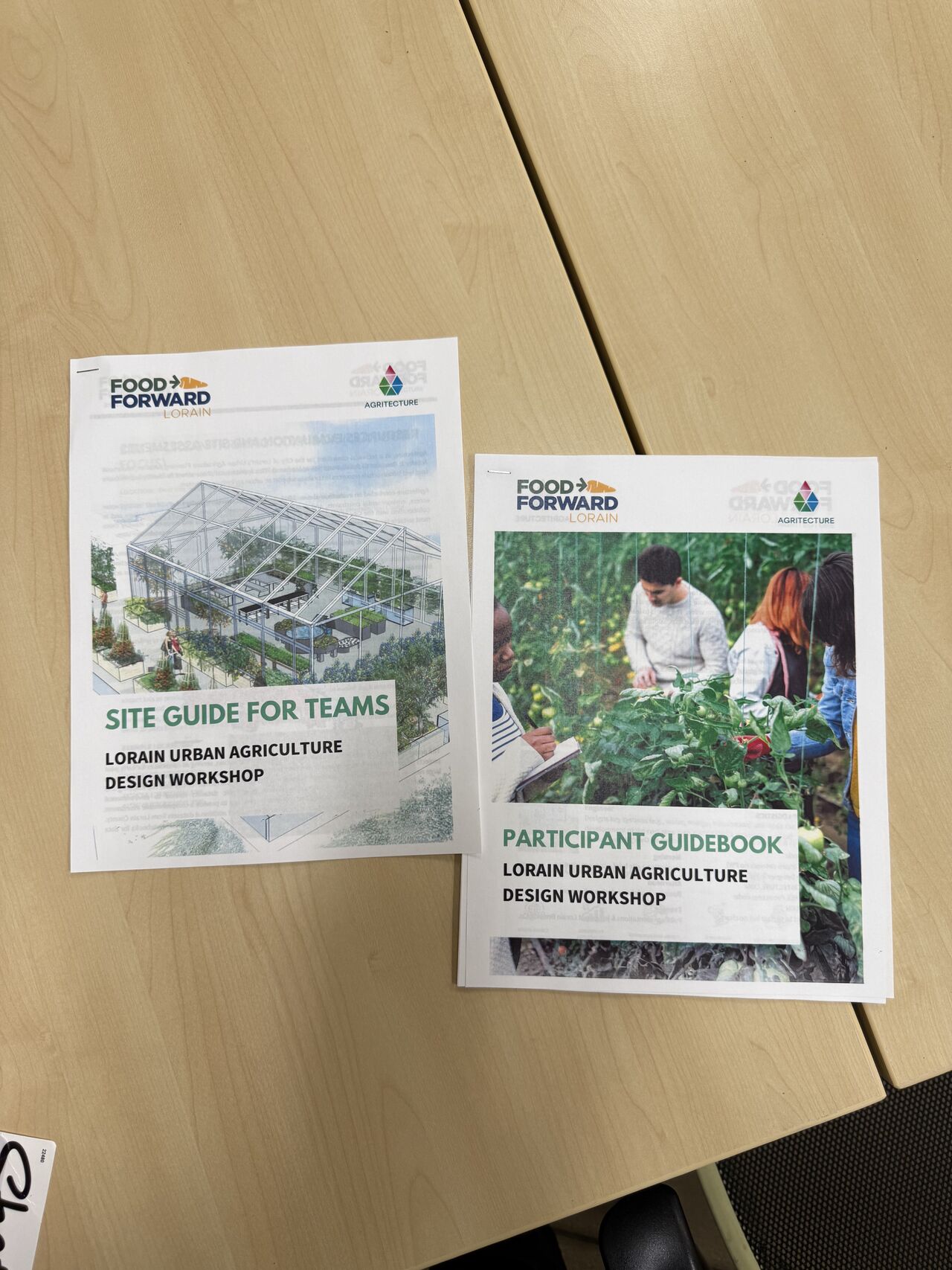
USDA UAIP-funded plan covering GIS site assessment, zoning reform, and multilingual community engagement to activate vacant land for urban agriculture.
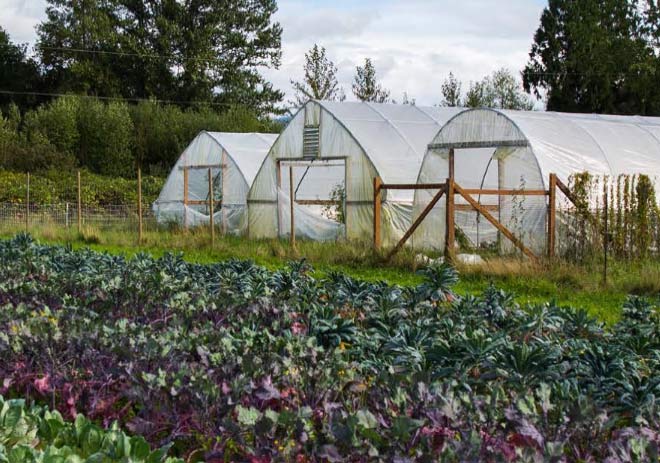
28-week rural economic strategy including market research, competitive benchmarking, and an Arts & Agritourism Overlay District evaluation.
Farm viability assessments and enterprise modeling to inform funding decisions and policy supporting the local farming economy.
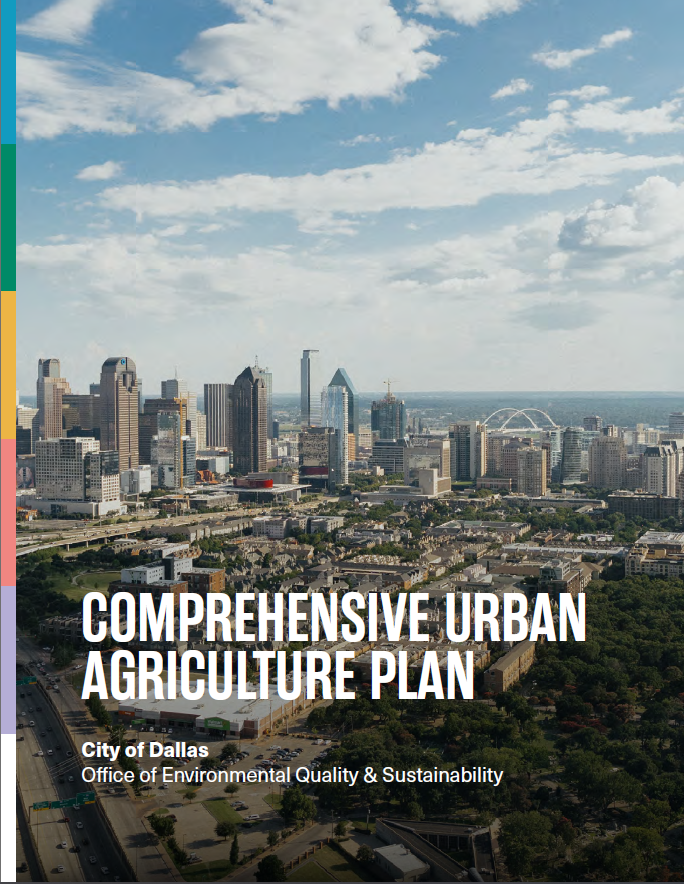
16-month engagement delivering Dallas's first urban agriculture plan, adopted by City Council in March 2023 with a 75% acreage growth target by 2050.
We don't just write reports — we embed ourselves in your community, analyze your landscape with precision tools, and deliver plans that get adopted and funded.
We use geographic information systems to map agricultural land, soil quality, water access, social vulnerability indices, and food desert zones — visualized in interactive web apps that support transparent decision-making.
Multilingual listening sessions, community surveys, one-on-one interviews, and design workshops ensure that residents, farmers, food banks, health departments, and local businesses are partners in the planning process — not just consultees.
Our team conducts on-the-ground site visits to assess redevelopment opportunities, tour existing agricultural operations, and facilitate hands-on design workshops where community members co-create actionable farm and food system concepts.
We analyze local and regional food demand, pricing dynamics, distribution channels, competitive landscape, and economic multipliers to quantify the business case for agricultural investment in your community.
We evaluate existing tax structures, zoning ordinances, and land use regulations that impact agriculture — and develop specific reform recommendations to remove barriers and create incentives for productive food use.
We compile and analyze agricultural census data, USDA resources, public health datasets, and proprietary benchmarks to build an evidence base that grounds every recommendation in verifiable data.
From overlay district design to permit streamlining to incentive programs, we develop specific, implementable policy recommendations ready for council approval — not abstract principles.
Every engagement produces a phased implementation plan with clear timelines, staffing requirements, funding pathways, performance metrics, and accountability structures to ensure your plan moves from paper to action.
A structured, community-centered methodology refined across multiple government engagements — from 18-month comprehensive plans to focused 6-month studies.
We align on goals, timeline, and deliverables with your department. We review existing plans, data sources, and stakeholder maps to build the project framework.
GIS mapping, soil surveys, food access analysis, tax assessment review, and existing agriculture inventory. We build the evidence base your plan will stand on.
Listening sessions, multilingual surveys, stakeholder interviews, and design workshops. We meet your community where they are and center their voices in the plan.
We synthesize findings into actionable policy recommendations, zoning reforms, economic projections, and priority areas — structured for presentation to council, boards, or committees.
We deliver the final plan with a phased implementation roadmap, present to decision-makers, and provide ongoing advisory support through adoption and early implementation.
Our food system planning methodology is designed to meet the transparency, community engagement, and accountability requirements of government clients.
Planning departments, offices of sustainability, and economic development agencies developing urban agriculture plans, food access strategies, or zoning reform.
County economic development departments and councils of government conducting agribusiness studies, farm viability assessments, and rural economic development strategies.
Health departments addressing food access, nutrition equity, and diet-related health disparities through community-based agriculture and food system interventions.
Elected officials and their staff who need evidence-based briefings, policy frameworks, and implementation plans to support agriculture-related legislation and funding.
State and local agencies seeking to grow rural economies, attract agricultural investment, develop agritourism corridors, and diversify beyond traditional industries.
Community organizations partnering with government on food access initiatives, urban farming programs, and USDA-funded planning projects.
A comprehensive urban agriculture plan is a strategic policy document that guides how a city or county integrates agriculture into its land use, economic development, and food access strategies. It typically includes GIS-based site assessments, stakeholder engagement, market analysis, zoning and policy recommendations, and a phased implementation roadmap. Agritecture has led these plans for cities like Dallas and Lorain.
We partner with city departments, public health agencies, food banks, and community stakeholders through a collaborative process. This includes data collection and GIS analysis, stakeholder interviews and surveys, community workshops, site visits, tax and zoning assessment, market research, and the development of actionable policy recommendations and implementation plans — all designed for council or board adoption.
Timelines vary based on scope. A comprehensive urban agriculture plan typically takes 12–18 months including community engagement phases. Regional agribusiness studies and farm viability assessments may take 6–9 months. Focused studies like the Prince William County engagement are structured as 28-week projects. We provide a detailed timeline during our scoping phase.
Yes. Agritecture has experience supporting municipalities with USDA Urban Agriculture and Innovative Production (UAIP) grants and other federal and state funding mechanisms. The City of Lorain's Food Forward initiative, for which Agritecture was selected as the urban agriculture consultant, was funded through a competitive USDA UAIP planning grant as part of a $14.2 million national investment. We can support both grant-funded planning projects and implementation phases.
We work with municipal governments, county economic development departments, councils of government, public health agencies, planning departments, and state-level agricultural offices. Our clients range from major cities like Dallas to regional bodies like the Western Connecticut Council of Governments (WestCOG) and counties like King County, WA and Prince William County, VA.